So, who actually builds this stuff with you?
A team of practitioners who spent years making AR/VR games before deciding to teach what they learned the hard way.

Where the platform came from
Salespulse Lynxhub started in 2021 out of a specific frustration: most AR/VR learning resources were either too theoretical or assumed you already had a studio setup. Neither helped the person who just wanted to ship something real.
The platform grew from internal training materials used by a small development group in Novi Sad. Those materials were rough, opinionated, and effective — which is exactly what we kept when we opened them up to learners across the country.
Every workshop module is still written by someone who has shipped at least one cross-platform AR or VR title. That constraint keeps the content grounded.

What a session actually looks like
Each workshop follows a four-part structure that moves from concept to running code. No lecture-only blocks — every idea gets tested inside a scene before the session ends.
Scene setup with a real brief
Participants receive a stripped-down project file and a concrete brief — for example, placing an AR object that responds to surface detection on both Android and iOS within the same build.
Guided build with checkpoints
The facilitator walks through the Unity XR or WebXR implementation step by step. Each checkpoint is a testable milestone, not a slide. Participants run the build on their own device at each stage.
Collaborative debugging round
Pairs swap projects and intentionally break one thing, then fix each other's work. This is where most of the learning actually happens — reading unfamiliar code under a time constraint.
Async assignment with peer review
Each session closes with a take-home task. Submissions go into a shared repository and get reviewed by at least two other participants before the next session opens.

The people writing the curriculum
A small group with varied backgrounds — game development, spatial computing, and instructional design. Each person teaches the part they have actually shipped.
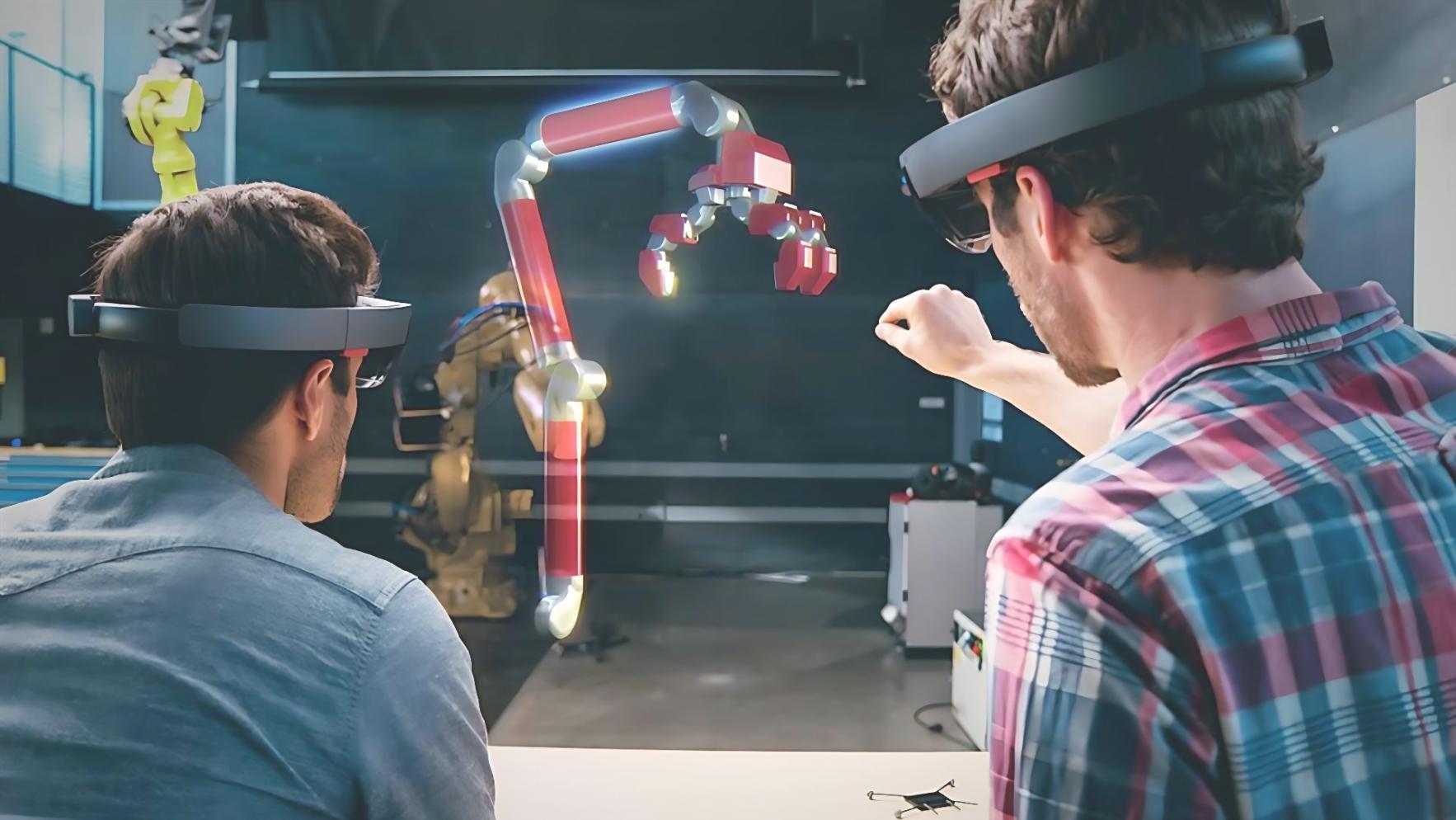
Oana Drăghici
Shipped four WebXR projects before joining Salespulse Lynxhub. Writes the cross-platform compatibility modules and runs the live debugging rounds.
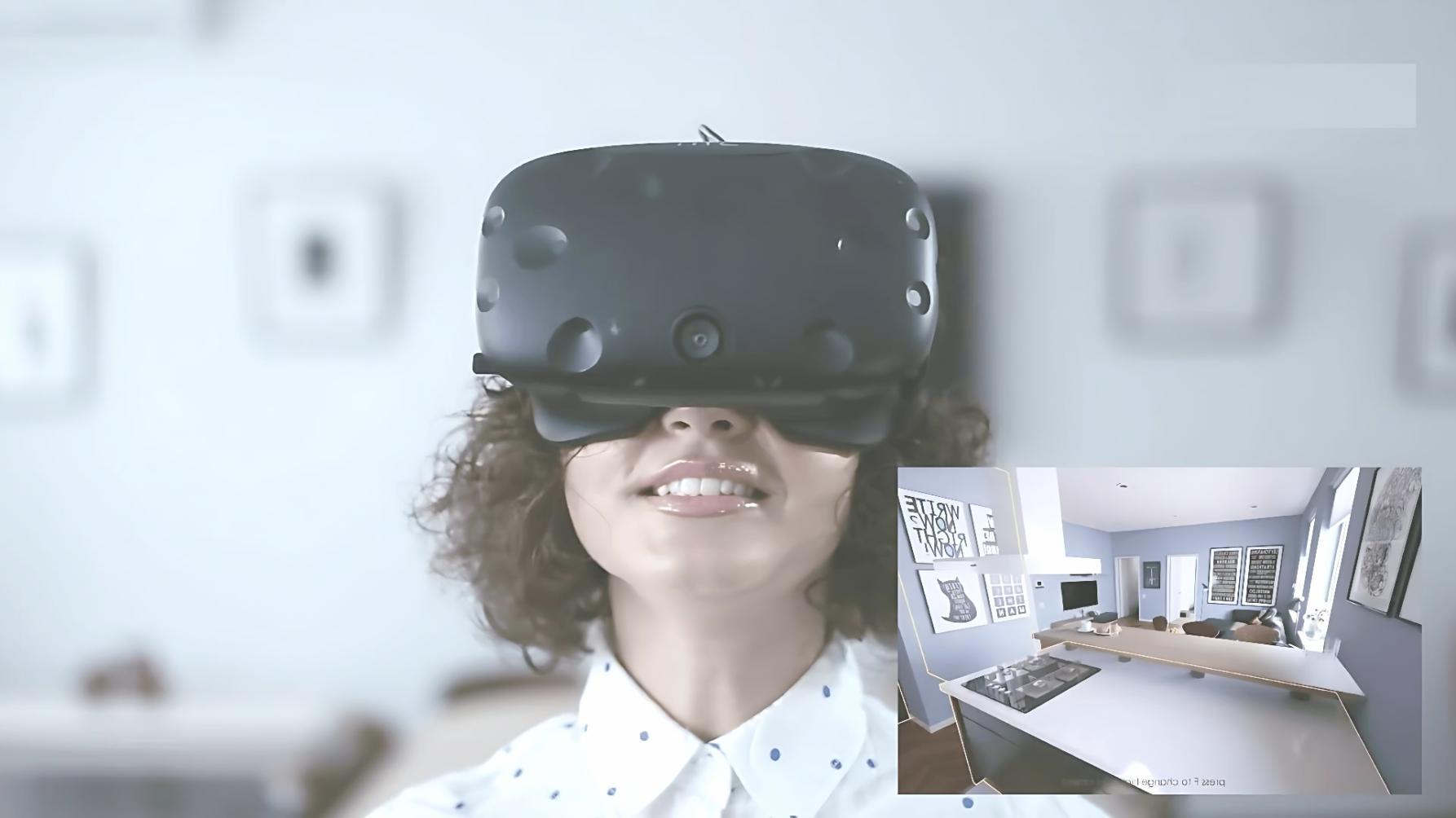
Tibor Vásárhelyi
Spent eight years in Unity before moving into instructional design. Responsible for the checkpoint structure and the peer review system used across all modules.
Jelena Ostojić
Maintains the shared repository infrastructure and the submission pipeline. Also writes the assignments for the VR interaction design track — her background is in haptics research.